
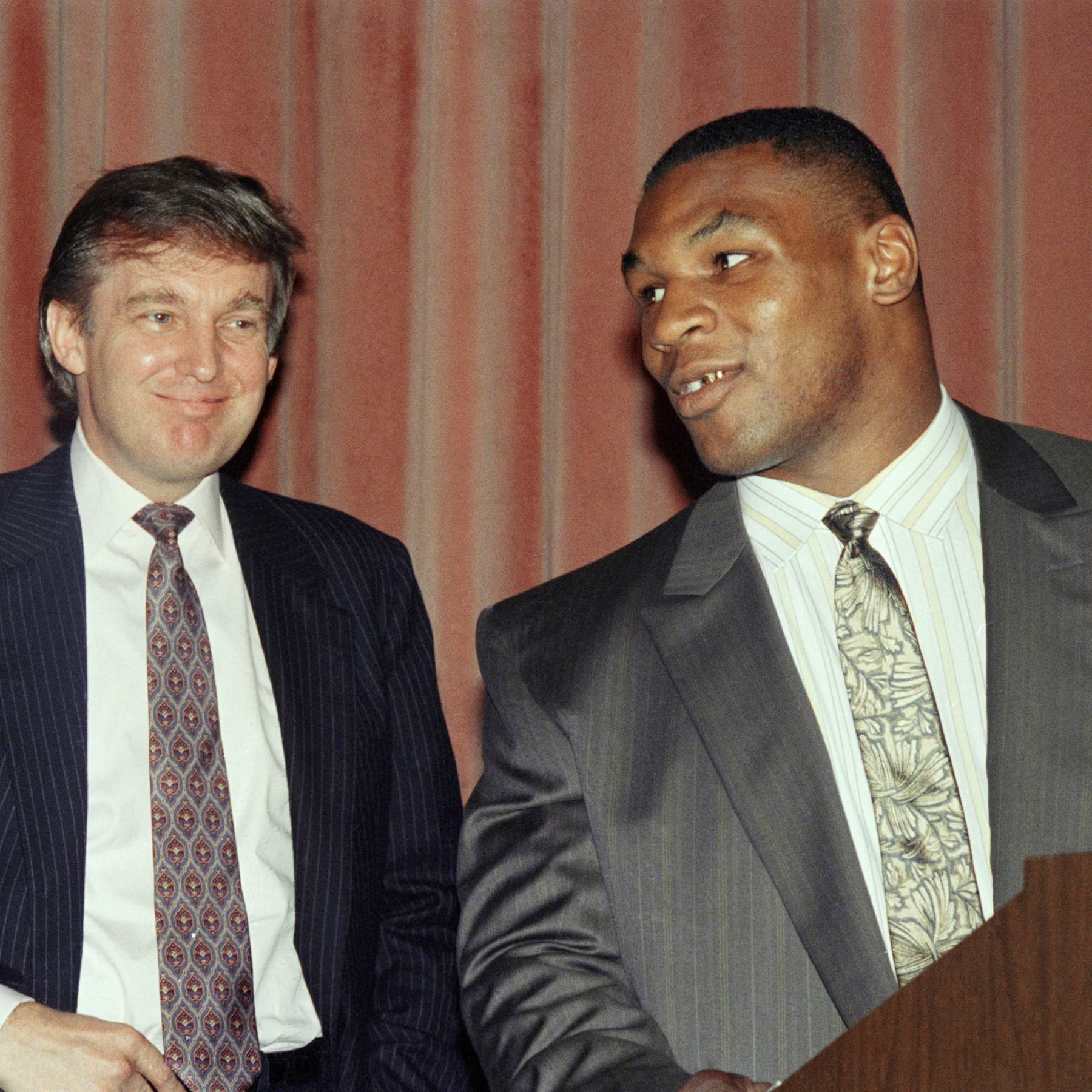

Mike Tyson has once again weighed in on the debate regarding US cannabis policy. The former world heavyweight champion thanked President Donald Trump after he commuted the remaining prison sentences of Jerry Haymon IV and Kevin Harden to time already served on September 3.
Ten and thirty years in prison for cannabis
The two men were handed down heavy federal sentences for cannabis cases.
Jerry Haymon IV was sentenced to ten years in prison in 2020 for conspiracy to distribute cannabis. He was currently serving time under house arrest.
In 2013, Kevin Harden received a prison sentence of no less than 30 years for conspiracy regarding the possession and distribution of cannabis. He had served approximately fourteen years of that. Trump commuted the remaining sentence for both men to time already served.
Moreover, commutation is not a full pardon: the convictions themselves remain in effect.
Tyson wrote personally to Trump
Tyson played a role in the campaign for both men. Included with their pardon petitions was a letter he wrote personally to Trump.
In it, Tyson argued for clemency for people serving long federal sentences for non-violent cannabis offenses. After the decision, he thanked Trump for giving Haymon and Harden a second chance.
At the same time, Tyson made it clear that he views the two releases primarily as a beginning.
Tyson's involvement is not entirely unexpected. The former boxer is currently active in the cannabis industry himself with his brand. TYSON 2.0.
Cannabis policy changes, old penalties remain
The case touches upon a broader discussion in the United States. Cannabis is now legal for medical or recreational use in many states, while people are still serving federal sentences for older cannabis cases.
The U.S. Department of Justice confirms that Trump granted a total of 23 pardons and six sentence reductions on September 3.
Ready to see how Snowflake works?
For Haymon and Harden, the presidential decision marks the end of their remaining sentences. Tyson hopes it does not stop there. His appeal once again draws attention to the contrast between the rapidly changing American cannabis market and people who are still incarcerated for past federal cannabis offenses.
Source: justice.gov

